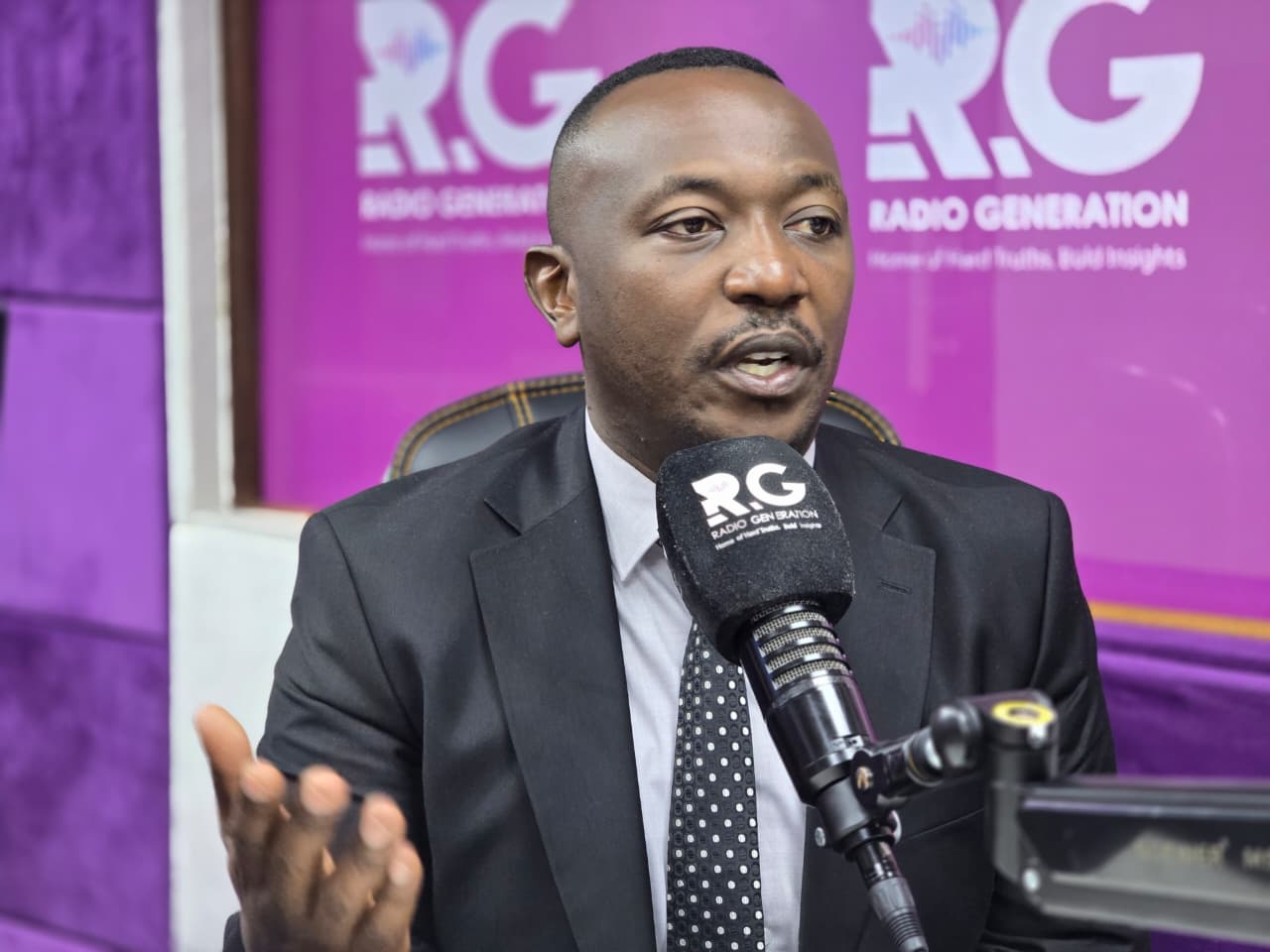
Kenya’s political climate may be tense, but its democratic foundations remain intact, lawyer and political analyst Fanya Mambo Kinuthia has said, pointing to continued public expression and resistance as proof that citizens are still exercising their freedoms.
In an interview on Radio Generation on Monday, Kinuthia said the ability of Kenyans to openly criticise leadership and stay engaged in national issues shows that democracy is still working. He, however, raised concern over alleged repression and called on voters to resist intimidation as the country prepares for the 2027 General Election.
“To start with, Kenya is moving forward because her democracy is proving to be vibrant,” he said, adding that “we continue to speak even louder. We continue to shout even more,” even amid pressure on government critics.
Latest Stories
- Gachagua withdraws bid to be reinstated, seeks compensation over impeachment
- President Ruto urges African leaders to own health financing and reforms
- DCP notifies IEBC it will hold Ol Kalou MP nominations on May 9
- Dr. Lukoye Atwoli warns African health systems face funding cuts
- Gachagua returns to Milimani High Court for impeachment hearing
The analyst acknowledged that abductions have not completely stopped but said reported cases have reduced. “The abductions are not over, but they’ve reduced, and we shall continue to make noise about it, because it is our right to speak,” he said.
His remarks come amid concern over enforced disappearances, particularly following protests linked to the Finance Bill in June 2024.
The Kenya National Commission on Human Rights reported 82 cases of abductions or enforced disappearances by December 2024, while the Missing Voices coalition documented 159 incidents of police-related killings and disappearances the same year.
Human rights organisations have also reported continued cases in 2025, with some victims released while others remain missing, and accounts of detainees held incommunicado after arrests by plainclothes officers in unmarked vehicles.
Kinuthia said governance should be judged by accountability, arguing that leaders should face both praise and criticism depending on performance.
“When you do the right things, social media and the entire media is full of reports of the things you have done,” he said, “when you do terrible things, social media is full of reports of the terrible things that you do to people.”
The lawyer argued that political focus should now shift to persuading undecided voters rather than targeting the presidency alone.
“The problem we have is not the head of state any longer,” he said, “the problem is those few who still believe the head of state is telling them the right things.”
He added that political engagement is already happening across the country as opposition actors seek to influence public opinion ahead of the next election, noting, “that’s why we are spending a lot of time on the ground with the people talking to them.”
The analyst also questioned national budget priorities, citing disparities in allocations such as “a parliament that gives children Sh3 billion for school feeding and State House Sh17 billion,” and comparing county funding levels.
Kinuthia said Parliament shares responsibility for governance outcomes, stating, “William Ruto is not William Ruto until he has a parliament that approves and supports what he does.”
Looking ahead to 2027, Kinuthia urged opposition unity around rejecting poor governance before deciding leadership alternatives. “When you are going through a divorce, don’t allow someone to ask you who you are going to marry next,” he said, adding, “this is a divorce period, we are going through a separation from a bad spouse.”
He insisted that the immediate priority is safeguarding citizens ahead of elections, saying, “the only thing we are asking is keep us alive until 2027 and allow us to wait for August to vote you out.”
Kinuthia concluded that respect for human rights should be the key qualification for any future president, urging Kenyans to participate in elections and reject apathy as the country’s democratic future depends on accountability, civic engagement and institutional reform.

Comments
Sign in with Google to comment, reply, and like comments.
Continue with Google